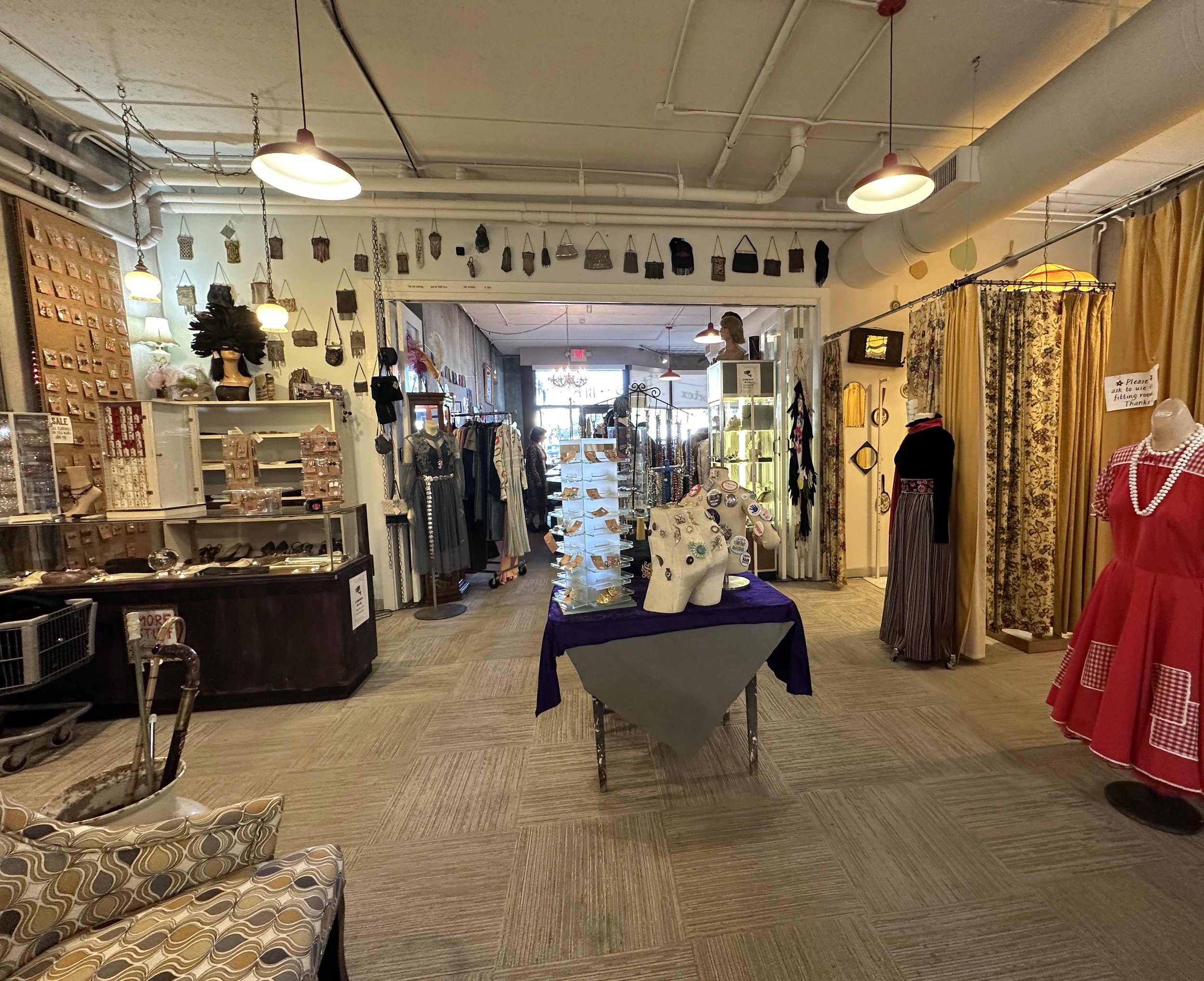
Ideal Experience of Thrift Shopping
Research Objective
To identify the key elements that influence trust, discovery, and decision-making in thrift shopping and translate them into a framework for an ideal thrifting experience.
My Role
Desk Research · Ethnographic Observation · User Interviews · Cultural Probe · Affinity Mapping · Insight Synthesis · Experience Framework Development · Concept Ideation
Team
Kanika Sharma · MA Design Management
Sia Tyagi · MFA Graphic Design
Yifei Chen · MFA UX Design
Rachit Sethi · MA Industrial Design
Timeline - 10 weeks
Tools
Adobe Illustrator
Adobe InDesign
Miro
Figma
Problem Statement
Thrift shoppers need a well-organized and trustworthy shopping environment because cluttered layouts, inconsistent product placement and unclear item conditions create friction in browsing and decision-making.
Research Process

Explore research area Identify the context of thrifting and define core users


Conduct primary research In-store observation, Surveys, interviews, cultural probes and sensory cue

Synthesize insights
Affinity mapping to identify patterns and key user insights


Concept ideation
Explore how the framework could inform the design of an ideal thrift store experience

Deliver final research outcome
Present the research insights, framework and concept
Stakeholder Ecosystem Map
The stakeholder ecosystem map illustrates the key actors involved in the thrift store experience and their relationship to shoppers.
Research Participants
Participants included individuals familiar with thrift shopping and pre-owned retail environments.
08
05
Contextual Interviews
05
Cultural Probes Study
Sensory Cue Activity
Ethnographic Observation
Participants included individuals familiar with thrift shopping and pre-owned retail environments.
Key Findings
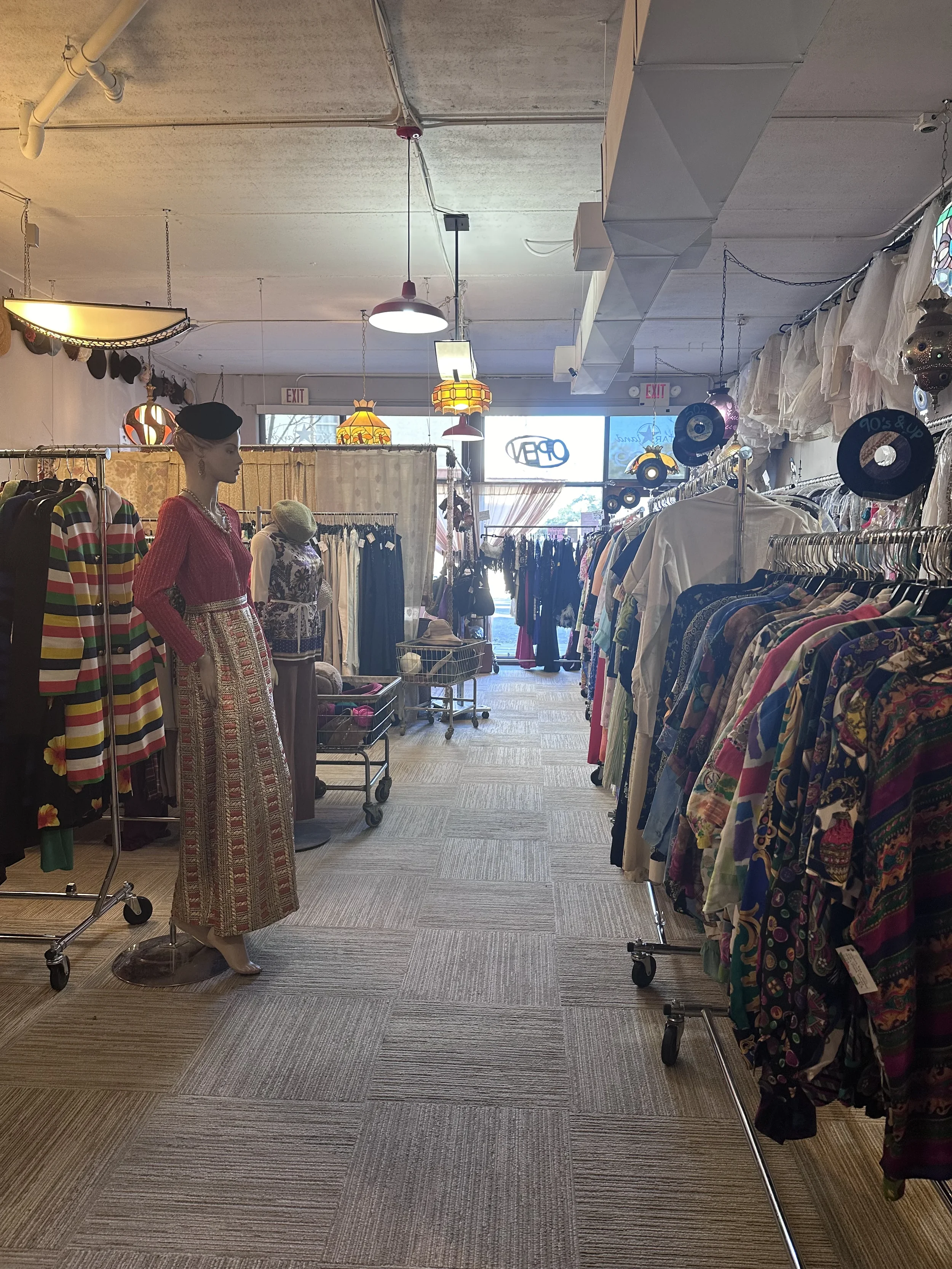
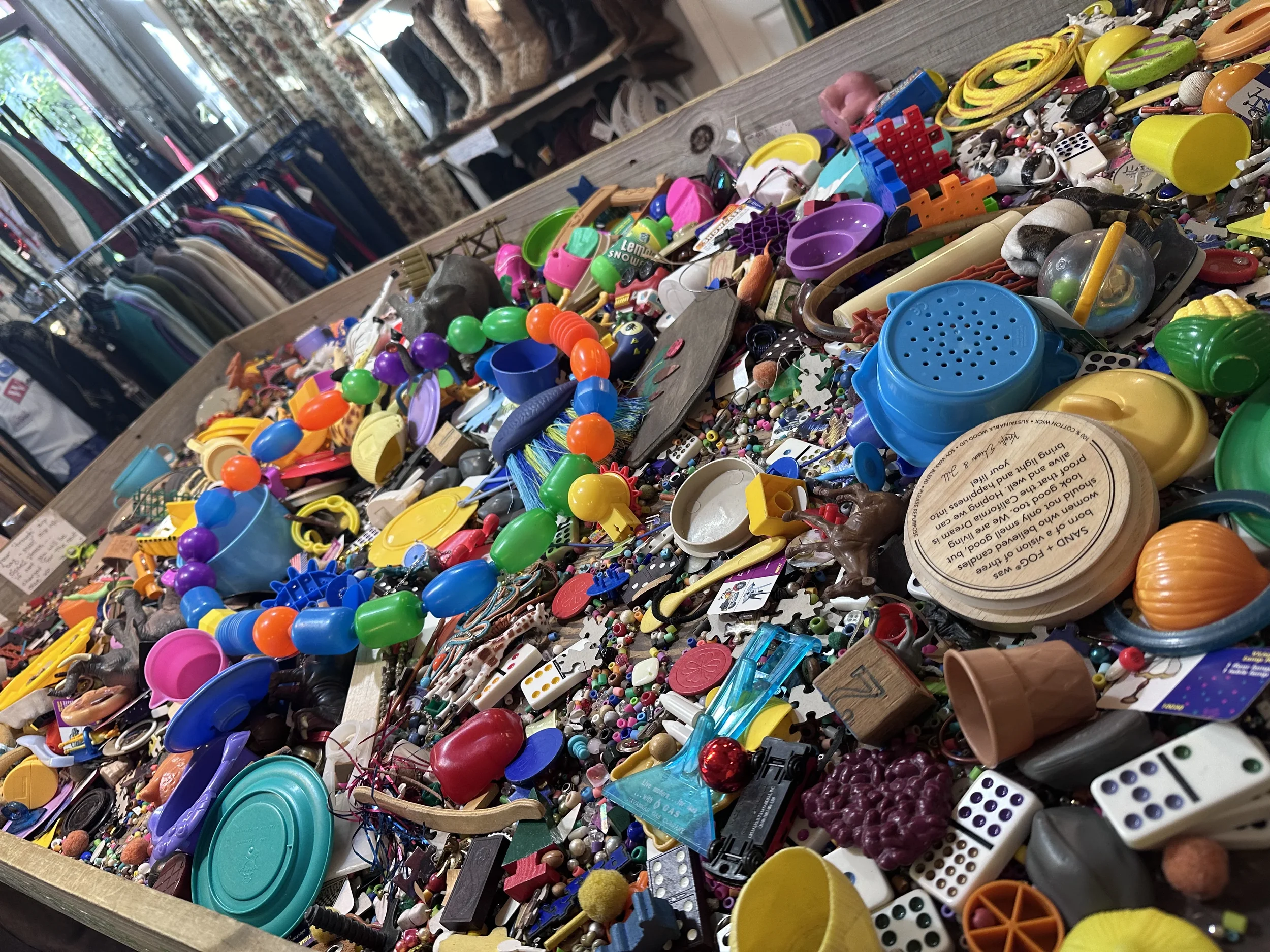
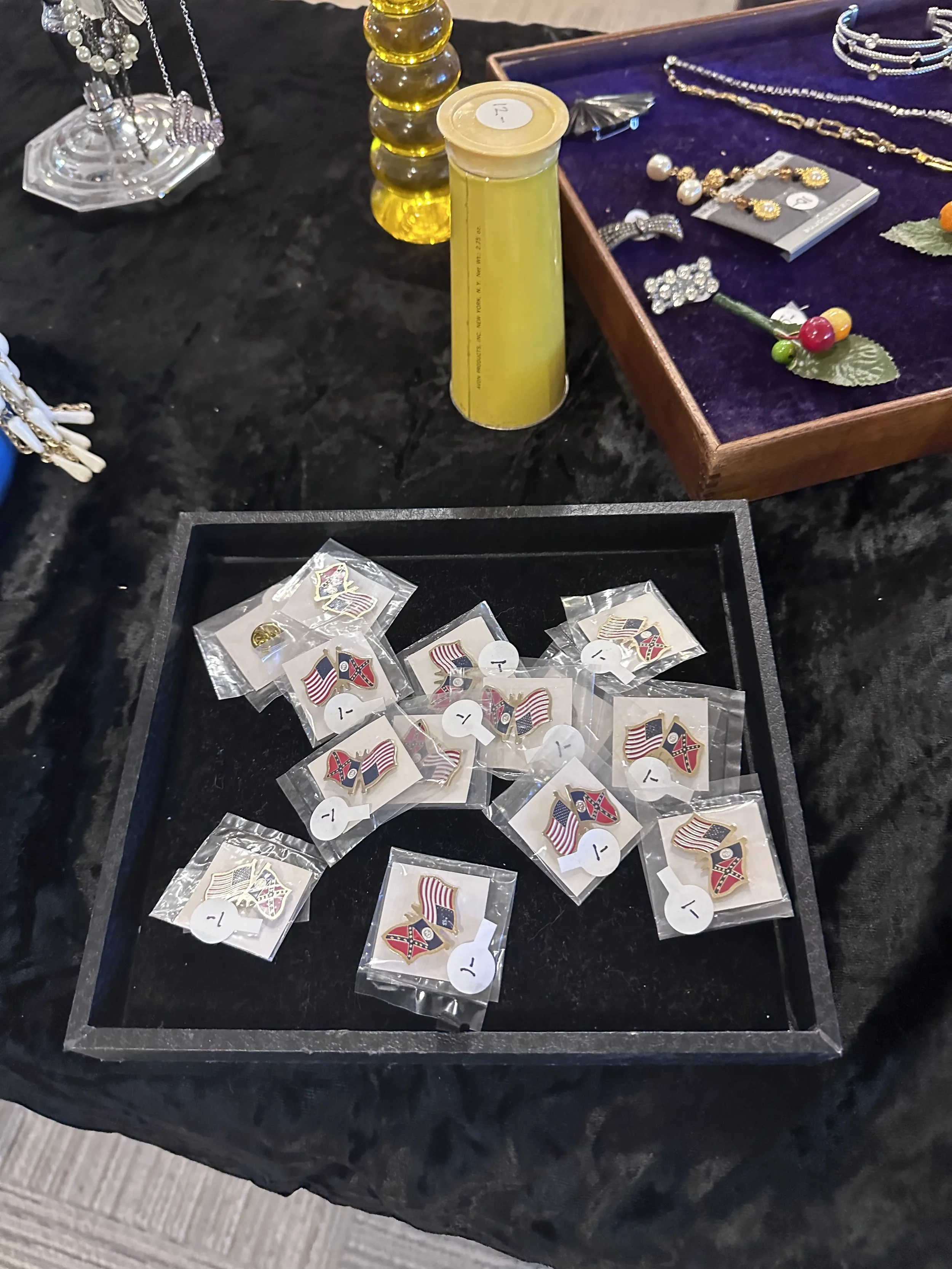
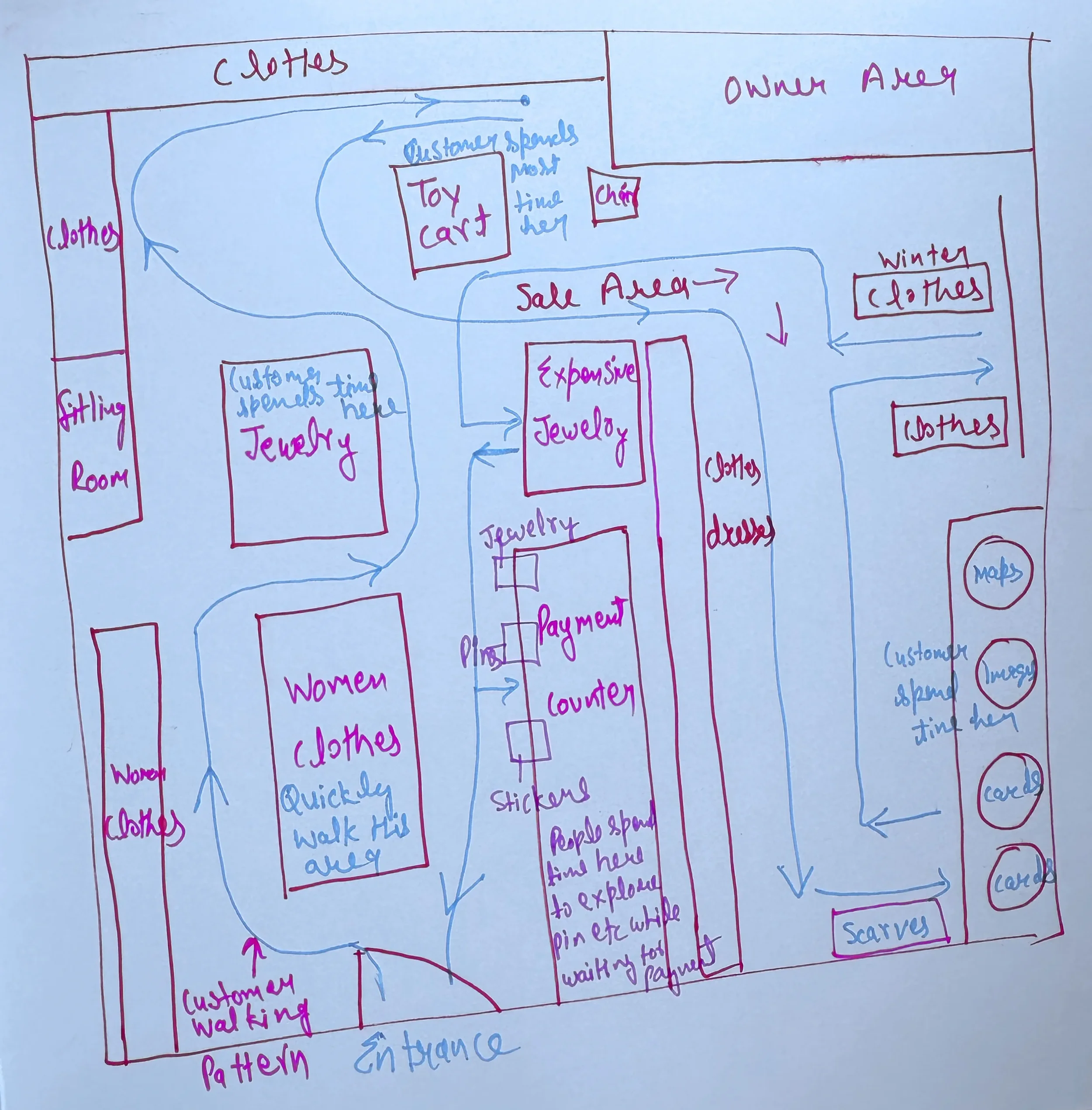
Shoppers spent the most time in the toy cart and jewelry sections.
High Engagement Zones
Shoppers want confidence while browsing
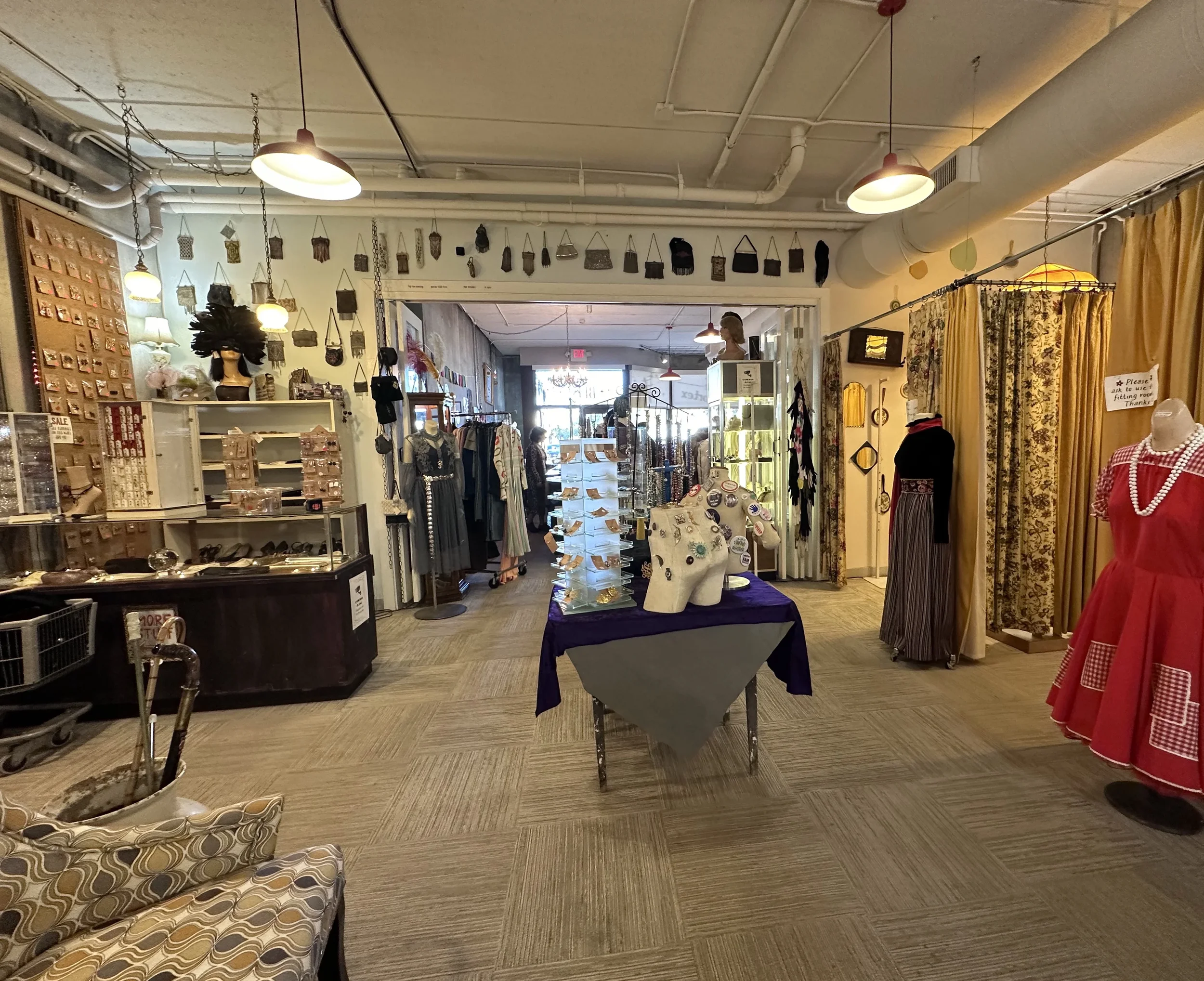
Clear movement paths showed that shoppers tend to follow natural browsing routes through the store.
Narrow aisles in the women’s clothing section created crowding and disrupted browsing.
Aisle Congestion
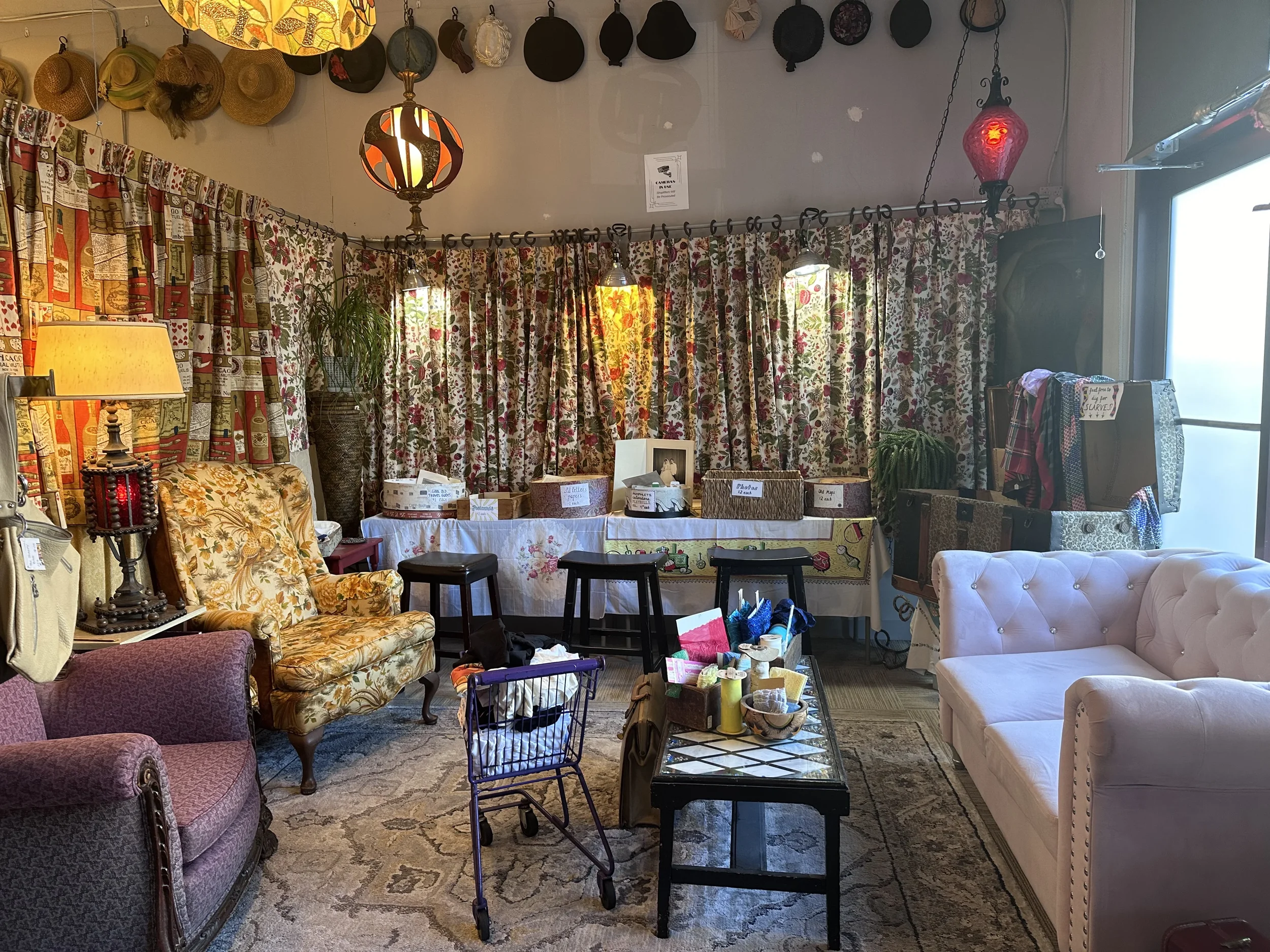
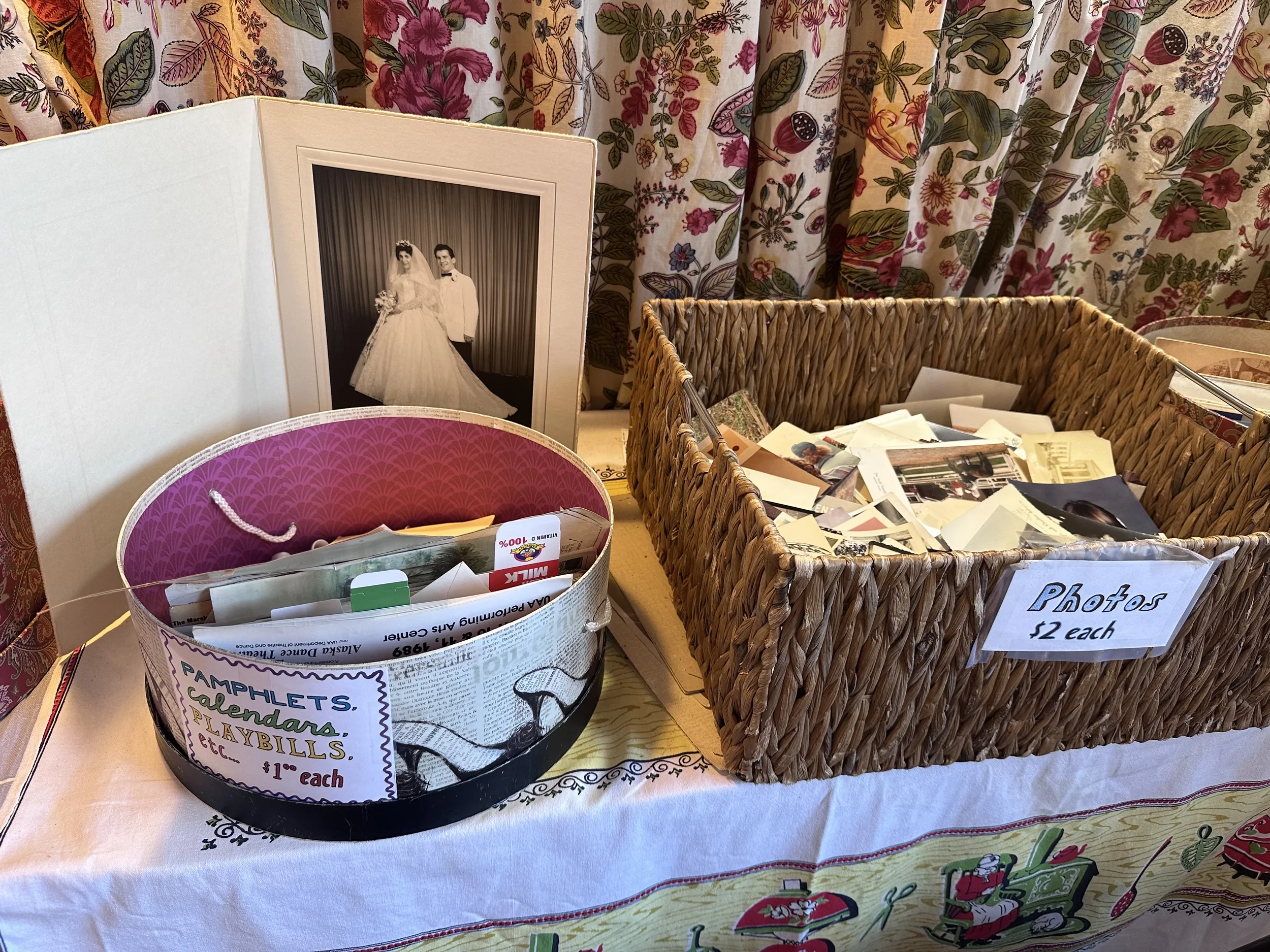
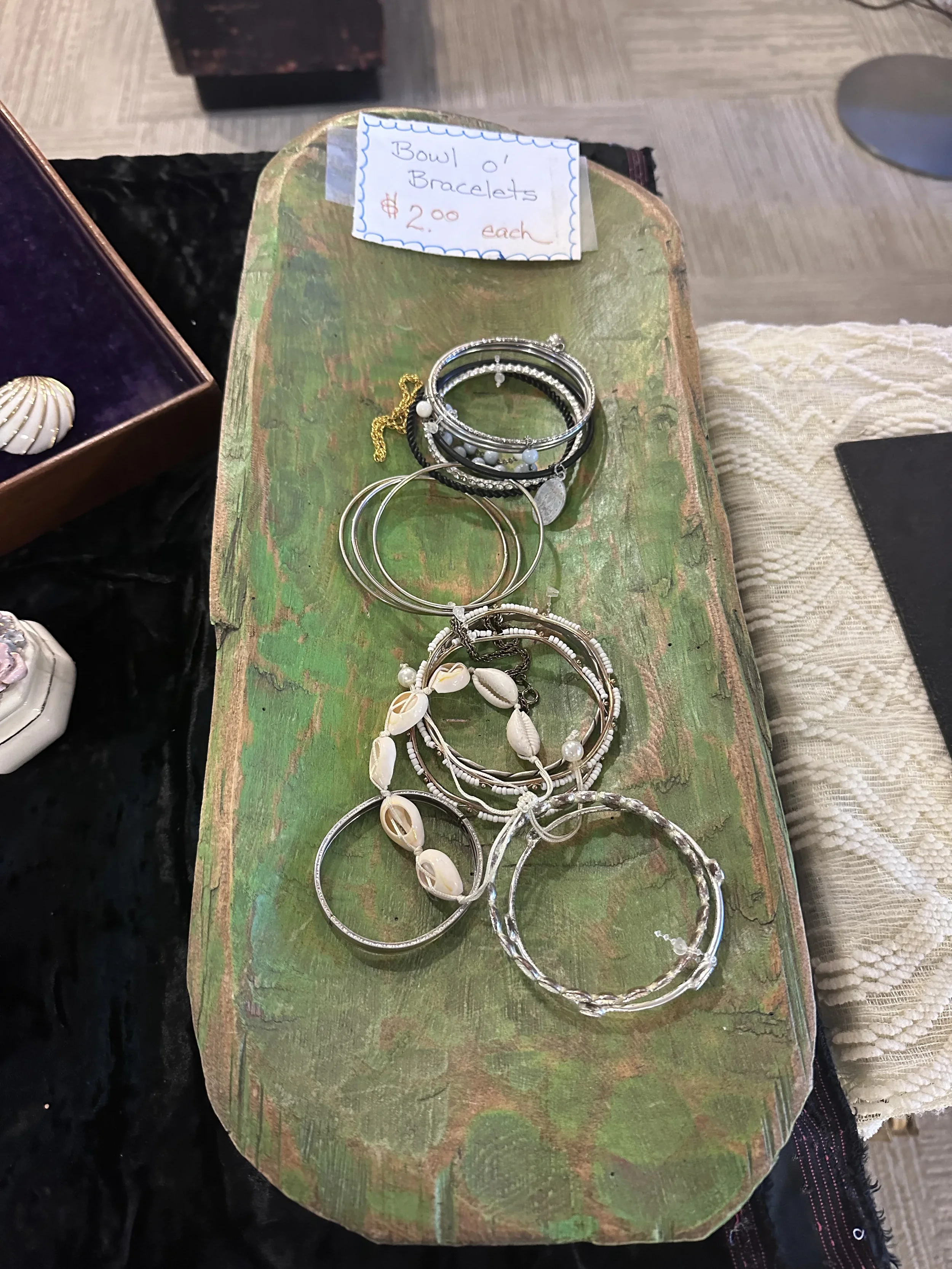
Creative Sections Attract Younger Shoppers
Younger visitors spent longer in sections with maps, pictures, cards, and scarves.
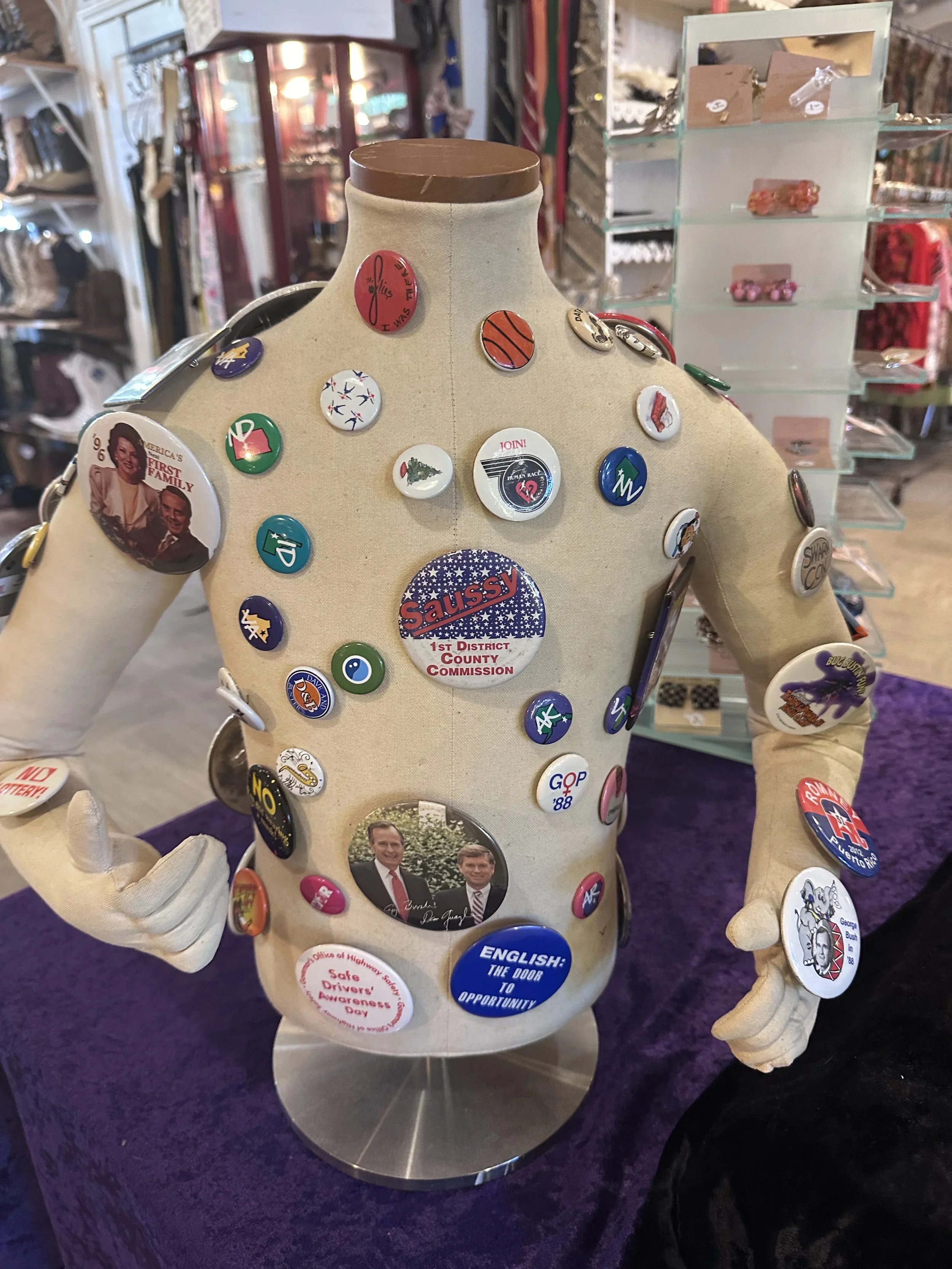
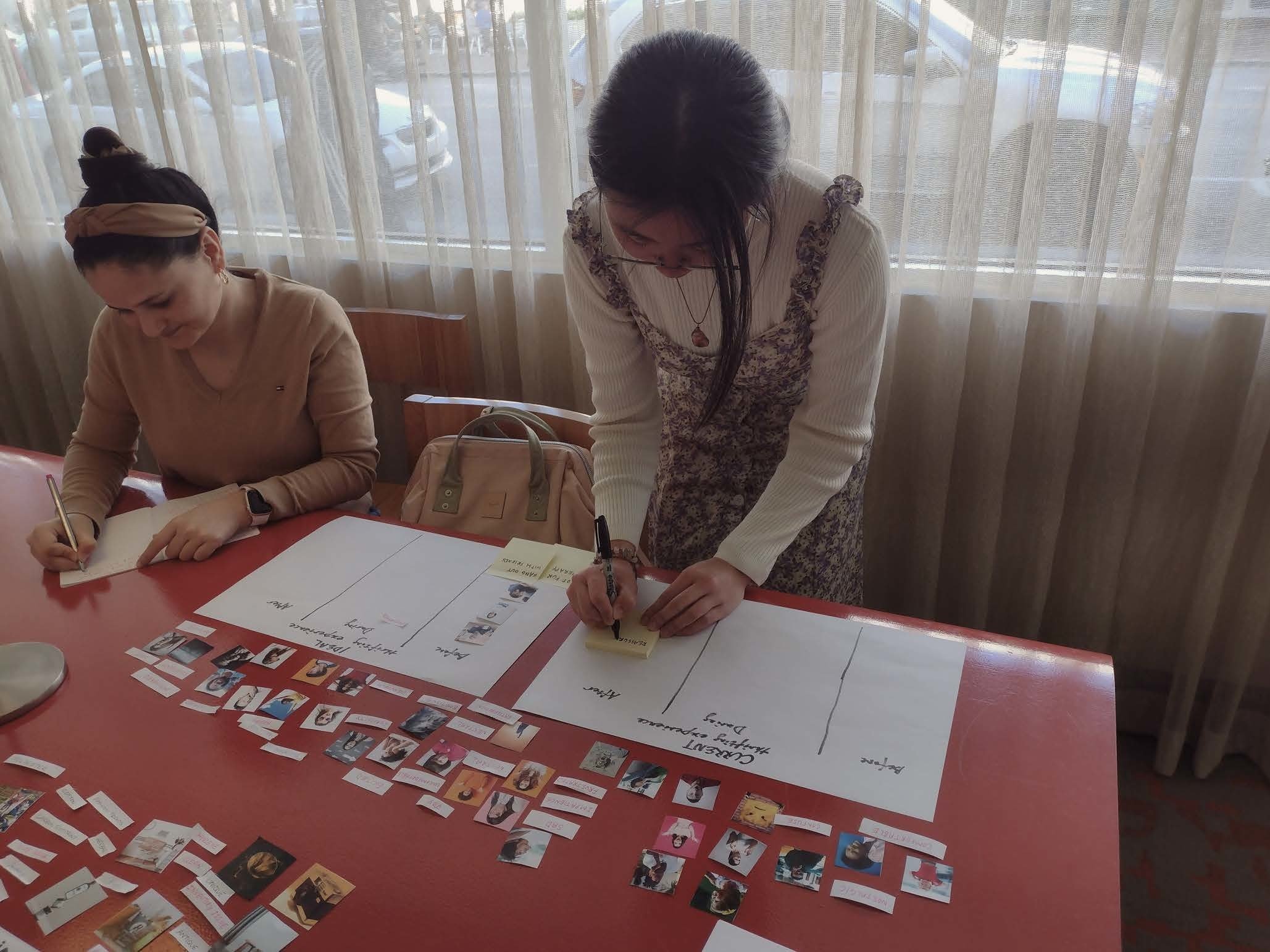
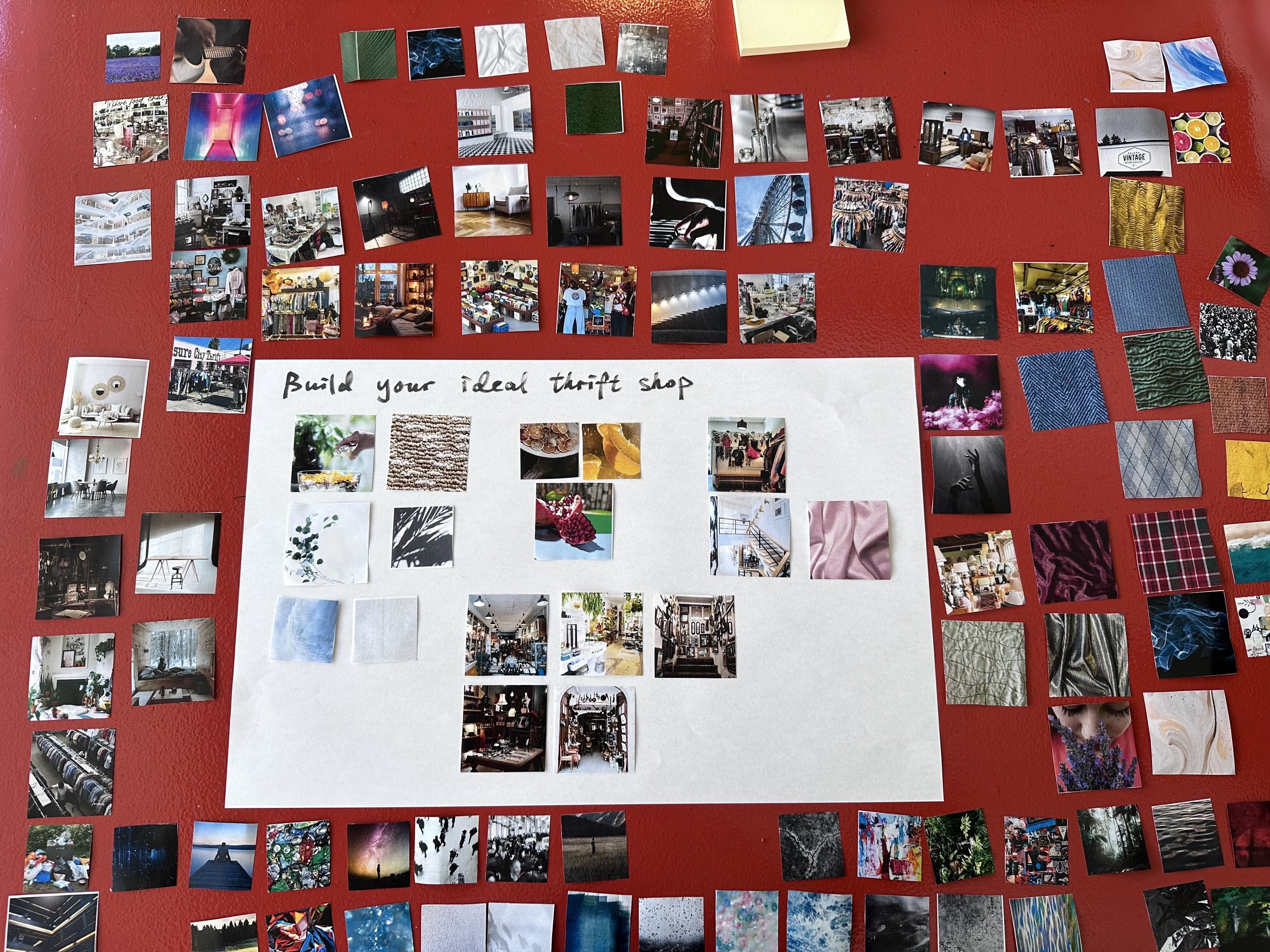
Cultural Probe & Sensory Cue Workshops
Cultural probes and sensory activities helped uncover shoppers’ emotions, motivations, and expectations for thrift stores.
Key Findings
People prefer bright, organized spaces with fresh scents and calming music.
Want Confidence While Browsing
Shoppers prioritize clean, affordable products that feel unique and environmentally responsible.
Seek Unique and Sustainable Finds
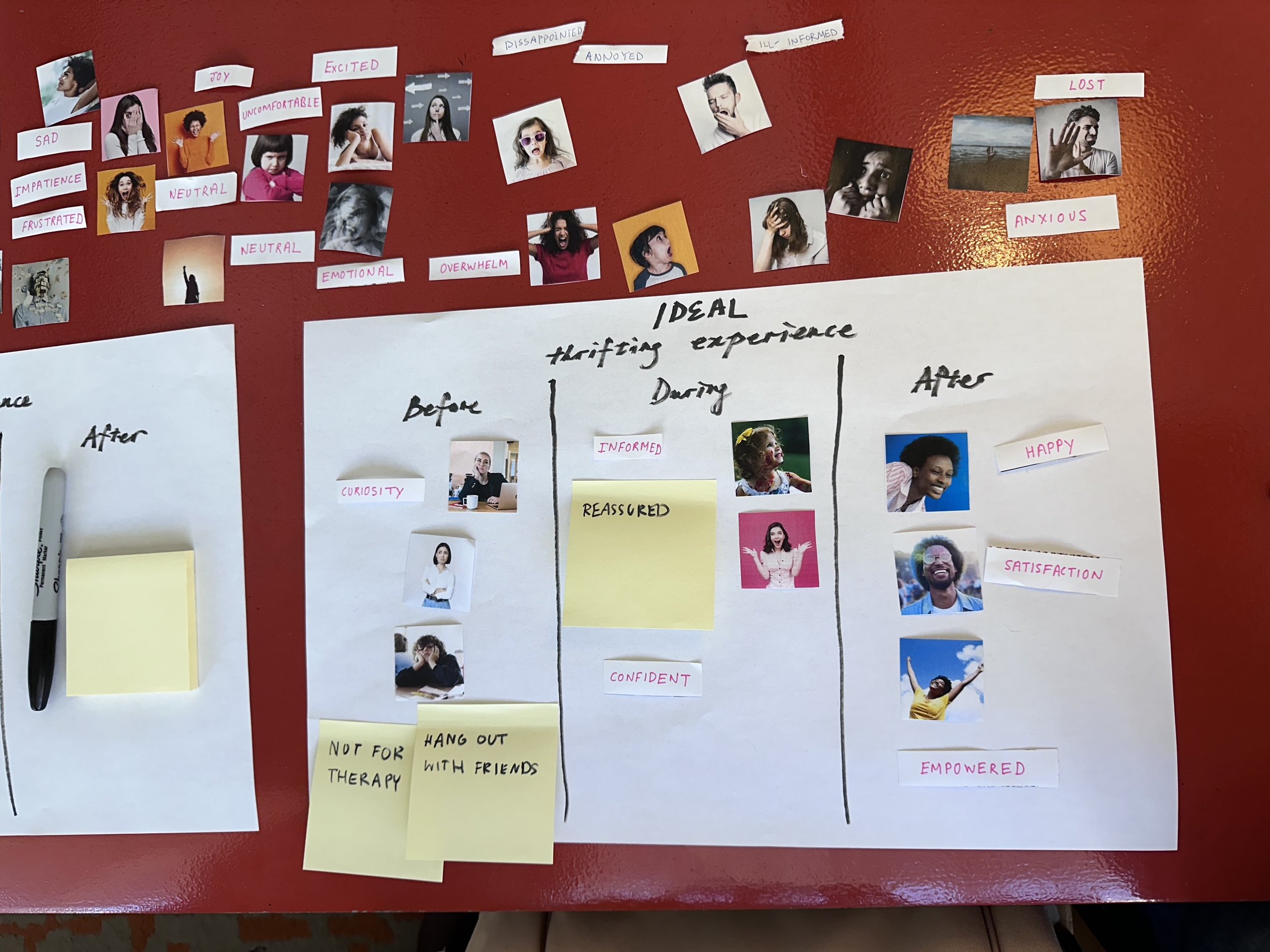
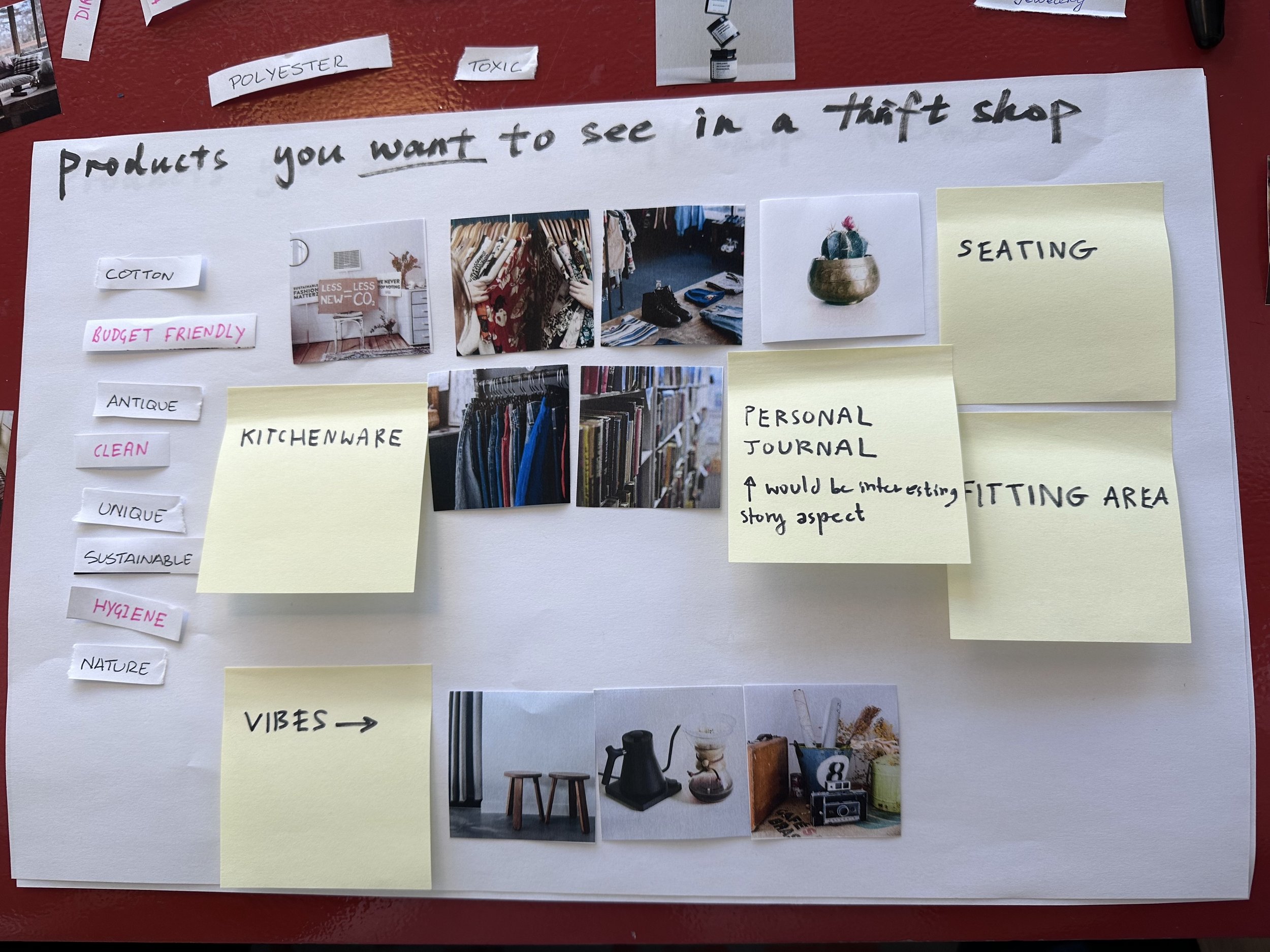
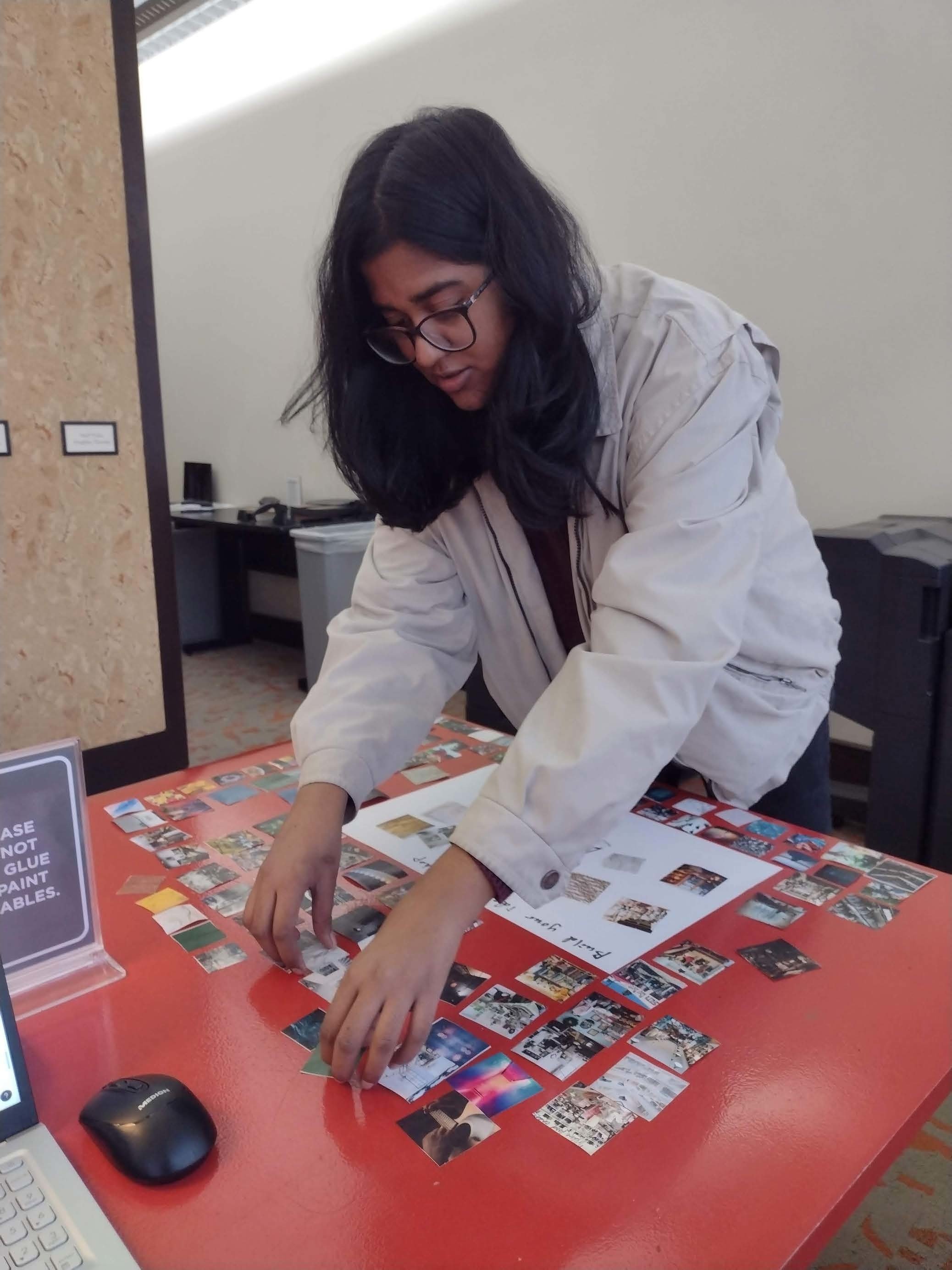
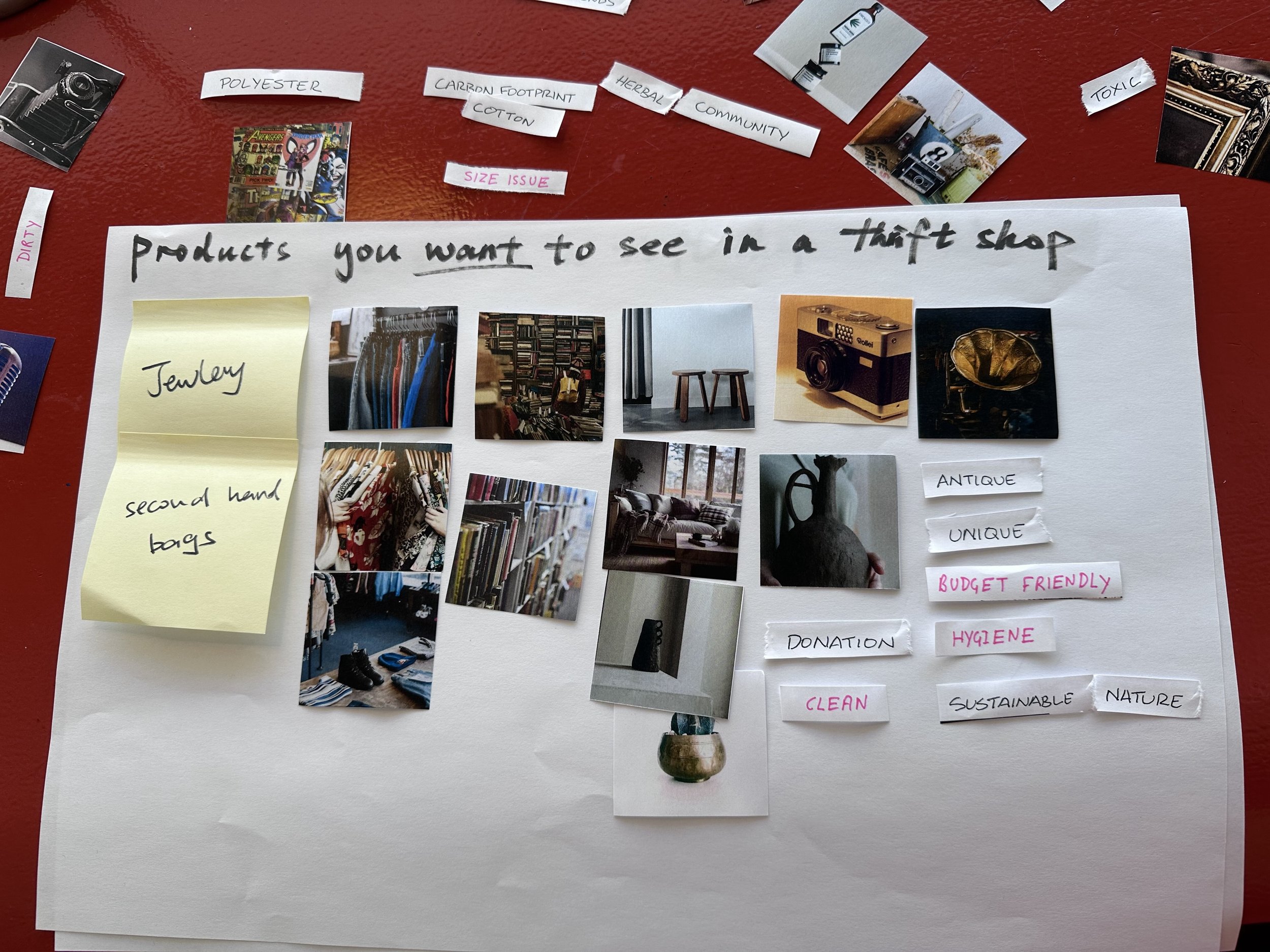
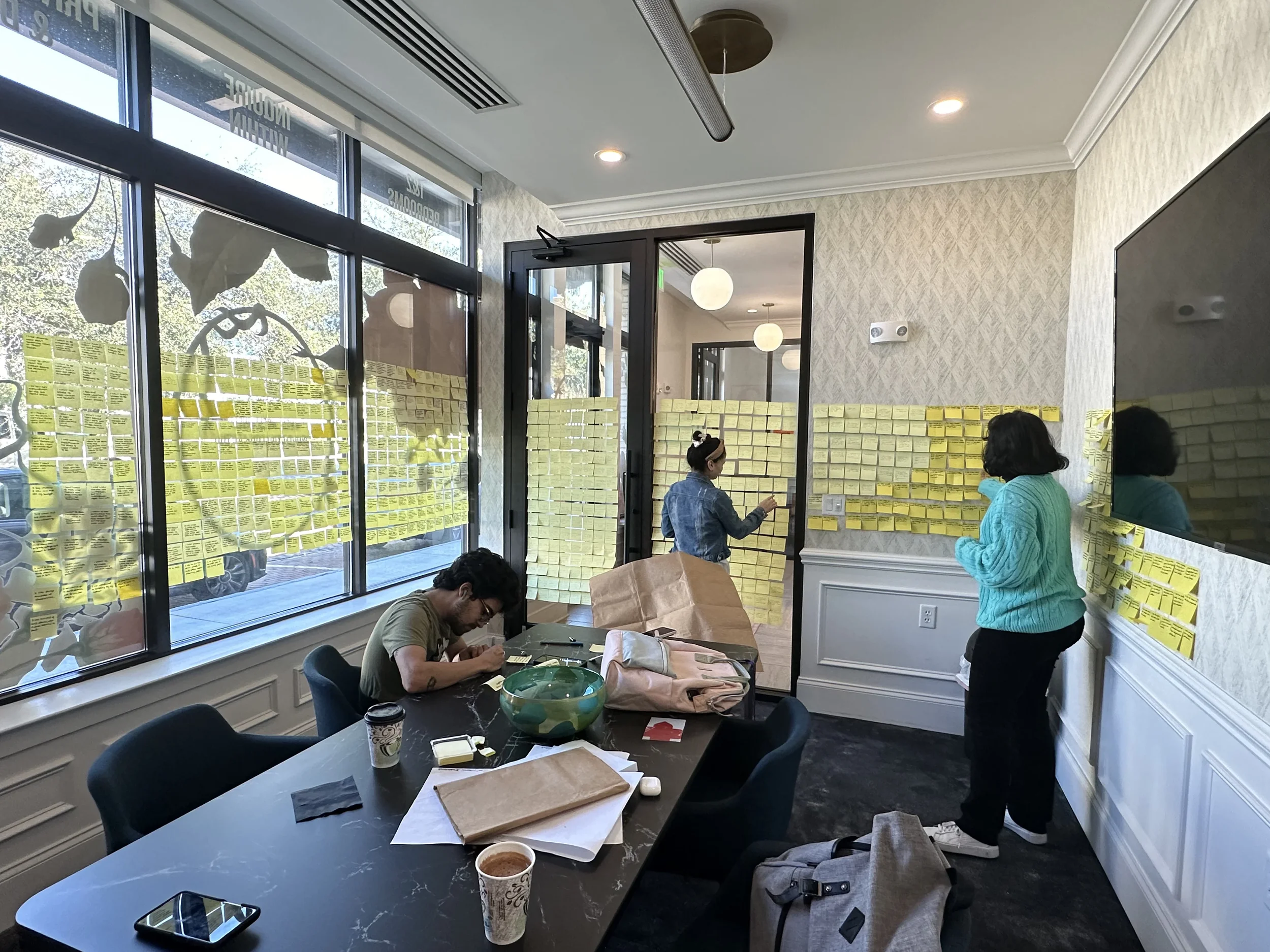
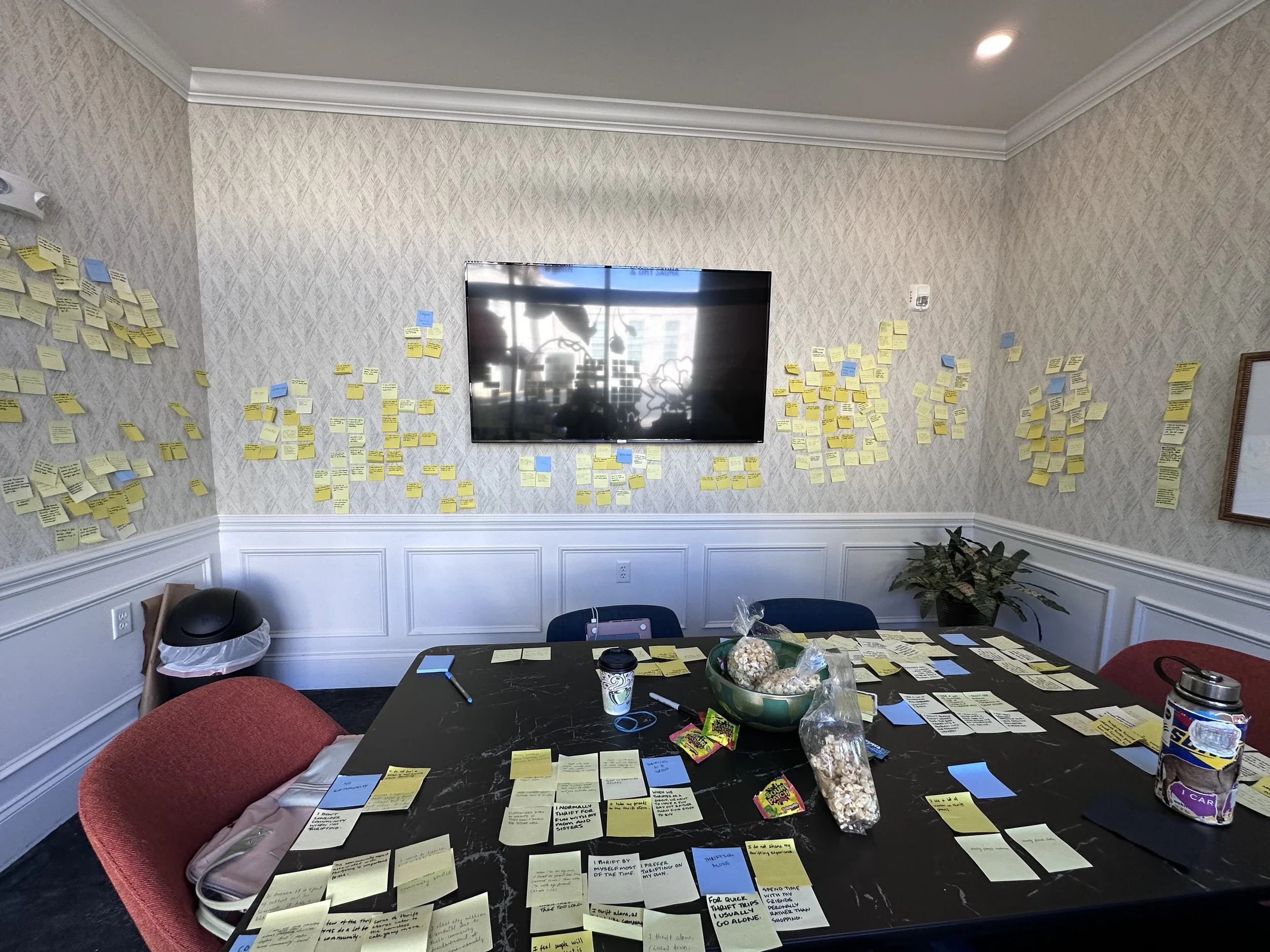
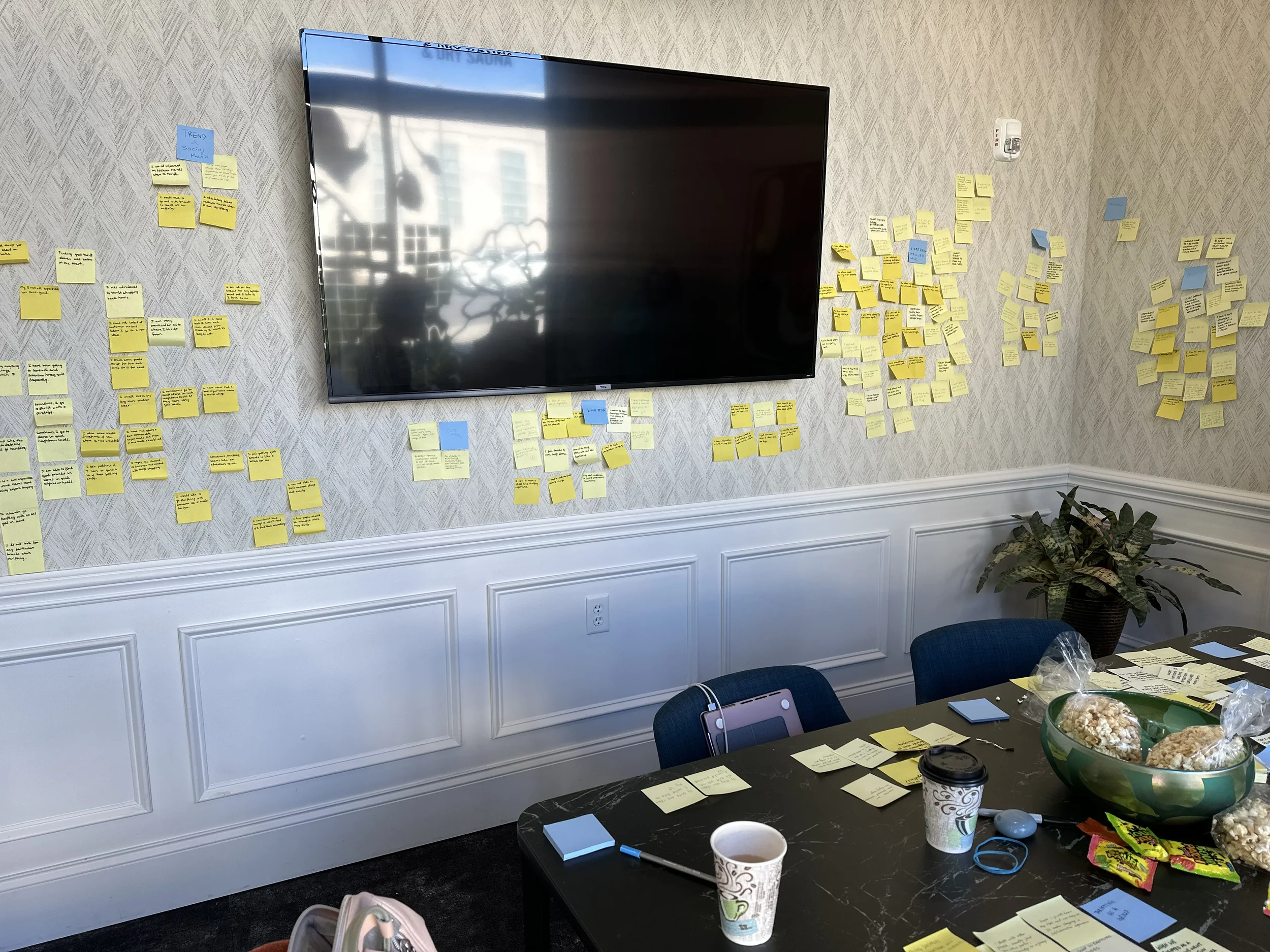
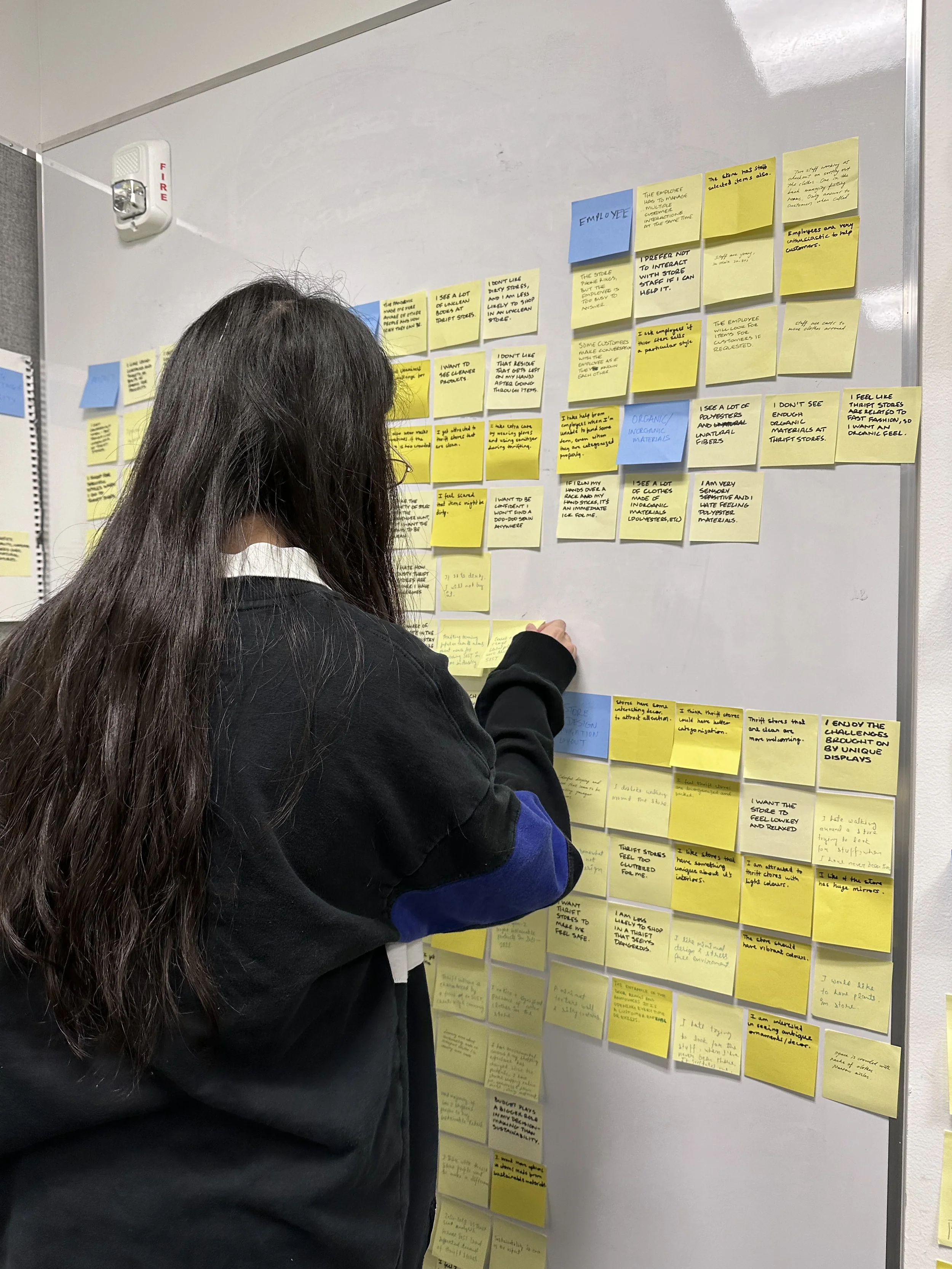
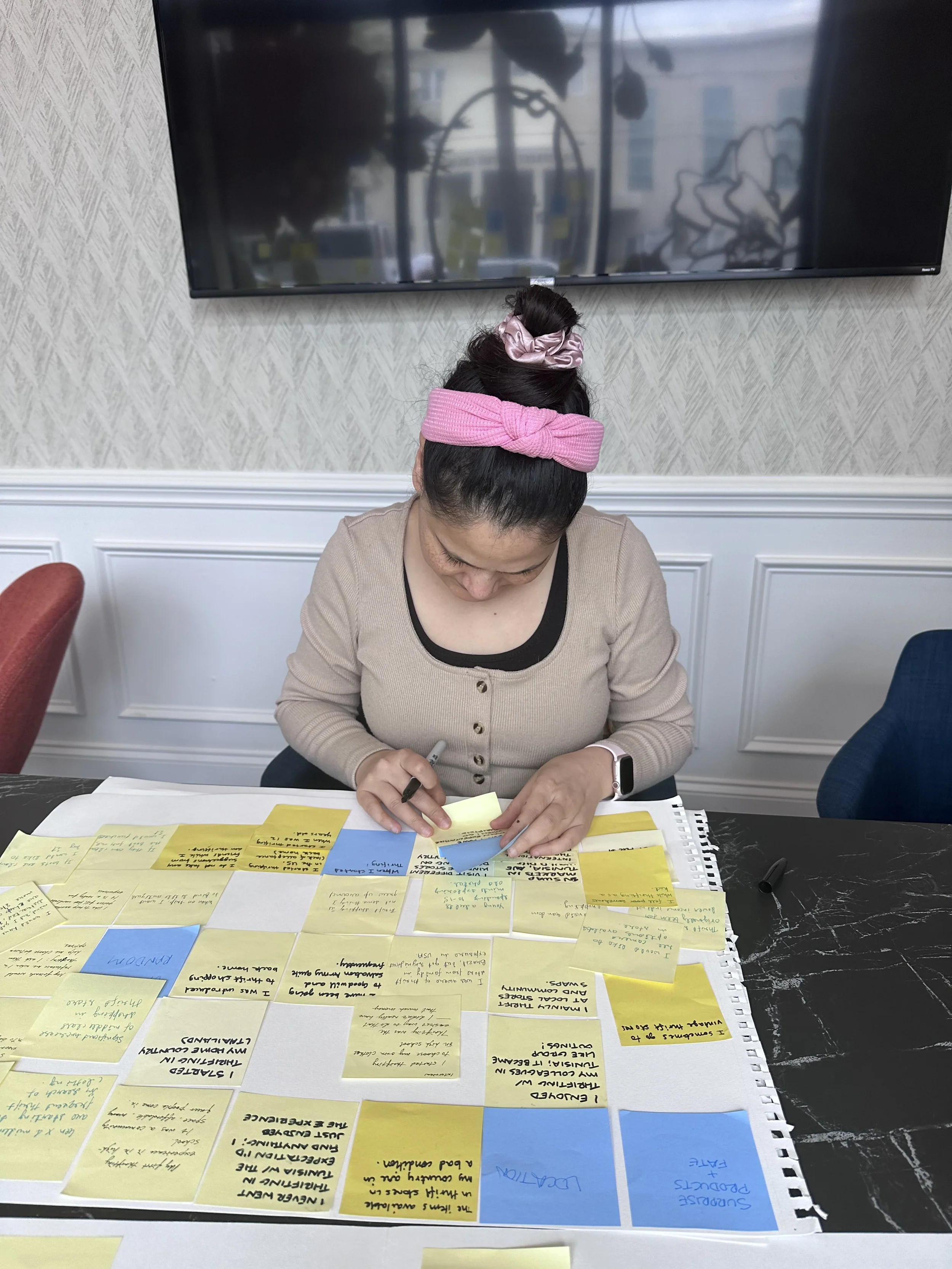
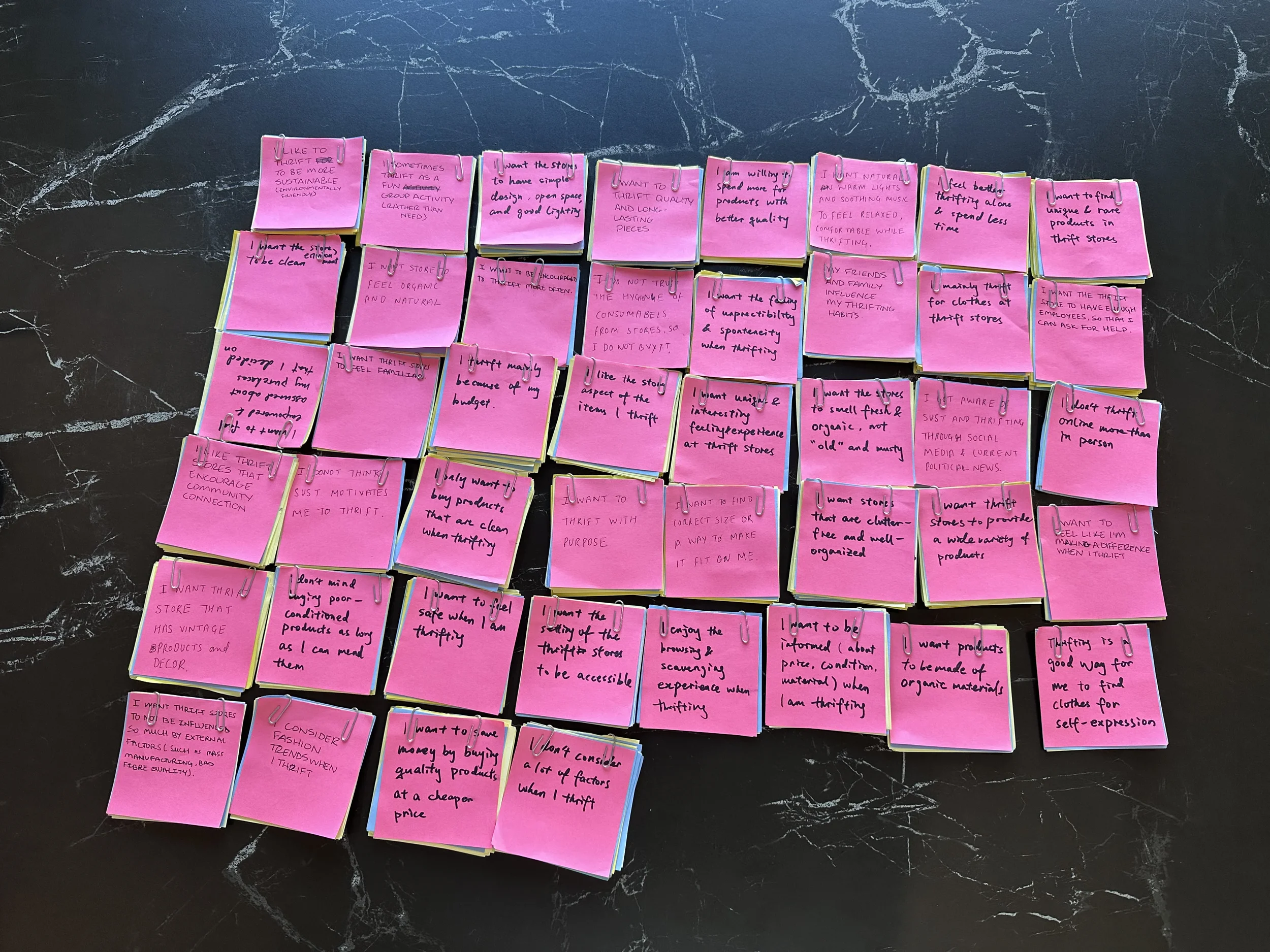
Affinity Mapping
Using affinity mapping, 1,000+ data points were synthesized to uncover patterns in thrifting behaviors and motivations.
Key Insights
Sustainability Motivates Thrift Shoppers
Shoppers Want Item Transparency
Cleanliness Influences Browsing
Item Stories Increase Emotional Value
User Voices
“I want the setting of the thrift stores to be accessible.”
“I want more sustainable and unique products.”
"Thrifting is a good way for me to find clothes for self-expression.”
“I thrift for sustainability and environmentally friendly shopping.”
Framework Overview
Derived from ethnographic research, this framework translates shopper behaviors and needs into three core dimensions: Comfortable, Engaged and Conscious along with nine key values that define an ideal thrifting experience.